
Common Appliance Problems in Acton Homes
When a washing machine starts leaking in the basement of a 1960s colonial — water pooling on the concrete before anyone notices — the damage adds up fast. Many Acton homes have laundry hookups tucked into unfinished basements with older shutoff valves that are stiff or partially corroded, which makes even a routine washer issue harder to isolate.
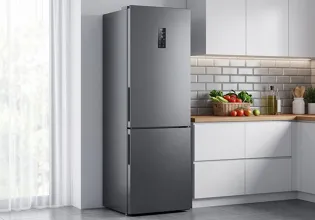
- Refrigerators that stop cooling often have condenser coils caked with dust, especially in kitchens where the fridge is boxed into a tight alcove with almost no airflow behind it.
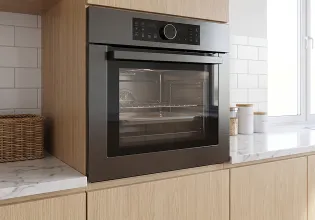
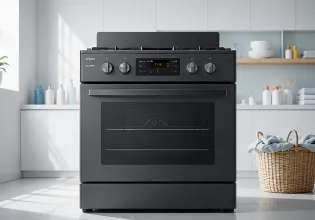
- Gas stoves and ovens that won't ignite — usually a failed igniter, but in older Acton homes the gas flex connector itself can be outdated. Worth asking a technician to check both.
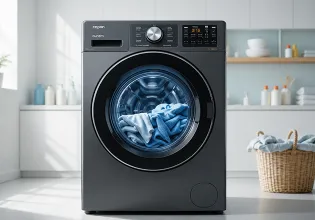
- Washers that won't drain completely. We often see this when the drain hose loops too low behind the machine or the standpipe is partially clogged with sediment from well water.
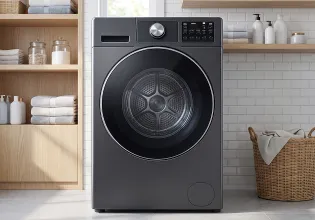
- Dryers running a full cycle but clothes still damp. Long vent runs through basement walls and out the side of the house are common here, and lint builds up in those bends.
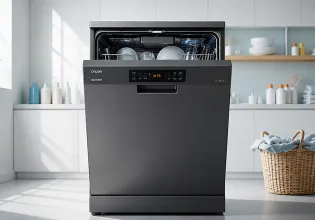
- Dishwashers leaving residue on glasses — mineral deposits from Acton's groundwater-sourced supply can coat spray arms and filters over time.
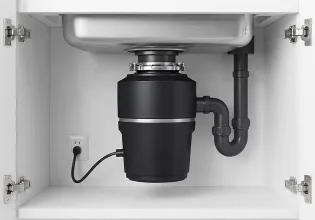
- Garbage disposals that jam or hum without spinning, sometimes because the homeowner doesn't realize their septic system makes heavy disposal use a bad idea.
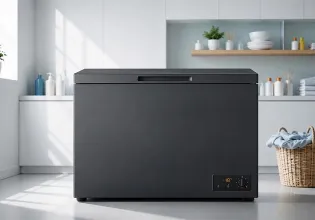
- Freezers icing up along the back wall, often from a failing defrost heater or a door gasket that no longer seals flat.
Local Utility, Permit, Safety, and Disposal Factors in Acton
If you're replacing a gas stove or swapping out a gas dryer in Acton, the installer has to pull a gas permit through the Acton Building Department at Town Hall before the work begins. That's not optional. Electrical permits are also required for hardwired appliance installations — think a built-in wall oven or a hardwired dishwasher — and plumbing permits apply when water supply or drain connections are involved. Before you schedule an install, confirm that whoever is doing the work knows to handle the permit through the Building Department at 472 Main Street.
Under the Massachusetts state plumbing code, only a licensed plumber can connect water supply or drain lines to an appliance, and gas fitting work requires a separate license. That means a big-box delivery crew dropping off a new dishwasher usually can't legally hook it up if the job involves modifying the drain or supply line. Ask before you book.
Gas appliance installations in Acton also require sign-off from the Acton Fire Department, coordinated with the Building Department. The fire department enforces Massachusetts law requiring carbon monoxide detectors on every habitable level of a home — so if you're adding a gas range or replacing a gas dryer, make sure your CO detectors are current and properly placed. Dryer vent blockages are a leading cause of residential fires, and Acton Fire recommends cleaning vents regularly. Under the Massachusetts fire safety code, dryer exhaust ducts must meet specific requirements for material, length, and where they terminate outside the house. If your dryer vent runs fifteen feet through a basement before exiting, that's the kind of run that deserves regular attention.
A significant portion of Acton homes sit on private septic systems rather than municipal sewer. According to Acton sewer system information, municipal sewer service is available in limited areas, primarily near village centers. That matters for appliances. If your home is on septic, heavy garbage disposal use can overload the system — many septic-dependent households are better off minimizing what goes down the disposal or skipping it entirely. Septic limitations can also affect which dishwashers and washing machines work best, since high-water-use models put more strain on the system.
Most Acton residents get their water from the Acton Water District, an independent municipal supplier drawing from local groundwater wells. Some homes, particularly in more rural pockets, rely on private wells instead. Either way, mineral content in the water can leave deposits inside dishwasher spray arms, washing machine inlet valves, and water heater elements. If you notice your dishwasher leaving a white film on glassware, the water itself is often part of the problem — not just the machine.
What Makes Appliance Repair in Acton Different
Acton's split between municipal sewer and private septic is the kind of thing a technician from outside the area might not think to ask about. A garbage disposal repair call in South Acton near the village center might be straightforward, but the same call at a home a mile away on septic changes the advice entirely — sometimes the right answer is to disconnect the disposal rather than fix it. The town's mixed infrastructure means the same appliance can need a different approach depending on which side of town you're on.
Disposal of old appliances here also takes planning that neighboring towns with regular curbside bulky pickup don't require. In Acton, you can't just wheel a dead refrigerator to the curb on trash day. You either schedule a pickup through the DPW — with a per-item fee and Freon removal certification for anything with refrigerant — or haul it yourself to the Transfer Station on Concord Road with a valid sticker. That extra step is one more reason a successful repair saves real hassle.
Appliance Replacement and Household Equipment Considerations in Acton
When a repair no longer makes sense — the compressor is gone on a fifteen-year-old fridge, or the drum bearings on a washer cost more than a new machine — the next question is how to get rid of the old unit and get the new one installed properly.
For getting rid of the old appliance, Acton residents have two main options. You can schedule a bulky item pickup by appointment through Acton's bulky item collection program, which charges a per-item fee and is separate from regular trash service. Refrigerators and freezers need certified Freon removal before the DPW will collect them. Alternatively, residents with a valid sticker can bring appliances to the Transfer Station at 55 Concord Road for scrap metal recycling — again, refrigerant-containing units need Freon removed first. Check Acton Transfer Station recycling guidelines for current requirements. Either way, plan ahead — this isn't something you can do same-day on impulse.
On the installation side, remember that gas, electrical, and plumbing permits may all apply depending on what you're replacing. Swapping a gas range for an electric induction cooktop, for example, could require both an electrical permit for the new 240-volt circuit and a gas permit to cap the old line. The Acton Building Department handles all permit applications. Ask your installer to confirm the permit is pulled before work starts — not after.
Massachusetts consumer protection law under Chapter 93A also applies to appliance repair and installation services, prohibiting unfair or deceptive practices. If a repair estimate changes dramatically after work begins, or if warranty terms aren't honored, homeowners have legal recourse.
Acton Department of Public Works
14 Forest Road
Acton, MA 01720
Phone: (978) 929-6542
Official Website
Areas We Serve Throughout Acton
We work across all five of Acton's village areas and the neighborhoods between them.
- Acton Centre — Older single-family homes near the town center often have original galley kitchens where pulling out a dishwasher means working around tight cabinet clearances and plumbing that hasn't been updated in decades.
- South Acton — One of the areas more likely to have municipal sewer access, which means garbage disposal repairs here are usually straightforward. The mix of housing near the commuter rail stop includes some condos with stacked laundry closets where dryer vent runs are short but hard to reach.
- West Acton — A walkable village center surrounded by residential streets with homes ranging from early 1900s to mid-century. We often see gas stoves in these kitchens that have been running for twenty-plus years — the igniters wear out, but the stoves themselves are usually worth repairing.
- North Acton — Tends toward newer construction and some condo developments. Appliances here are often still under warranty, but when they're not, the more modern layouts usually give us better access behind washers and dryers than the older parts of town.
- East Acton — Many homes on private wells and septic systems. If your dishwasher is leaving mineral buildup or your disposal keeps jamming, the well water and septic setup are worth mentioning when you call — it changes how we approach the job.